Twelve questions, grouped and explained, that turn a sales conversation into an interview the homeowner controls. Each question is here because its answer predicts a real experience: the visit’s content, the bad week’s handling, the invoice’s surprises. Bring the list to the call; a professional will recognize it as a compliment.
Ask the storm questions before storm season, the absence questions before travel season and the chemistry questions whenever the water changes character. The list is a calendar as much as an interview.
About the visit itself
What exactly happens on each visit, and where is it written down? Are chemicals included, and which ones are billed separately? How are readings recorded and shared? What is the filter cleaning rhythm and the salt cell rhythm on this route? These four answers define the service being bought more precisely than any brochure paragraph, and they convert directly into the comparison table from the cost hub.
About problems and bad weeks
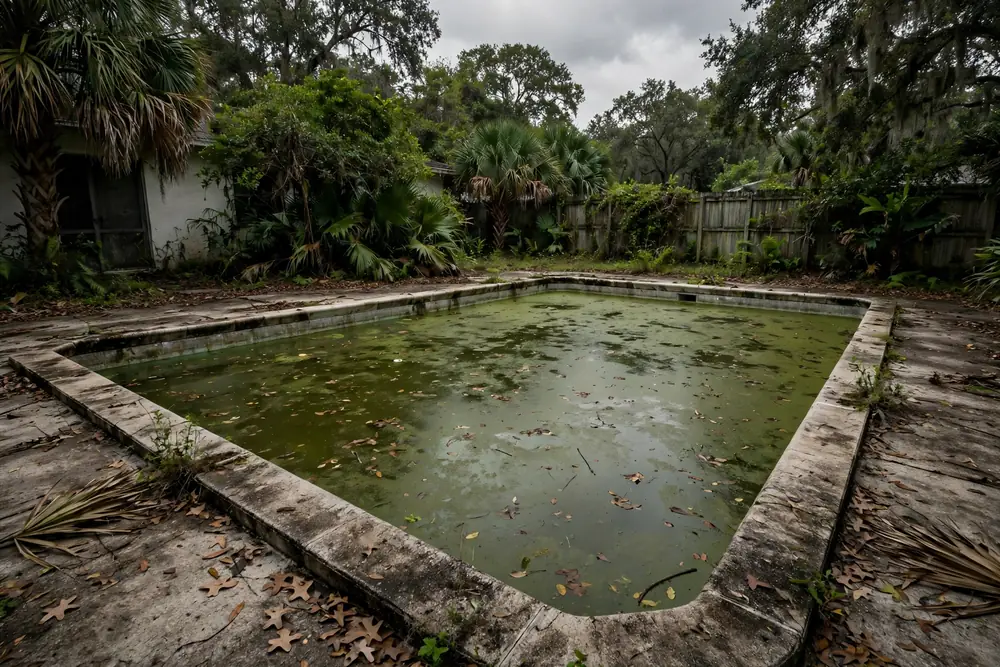
What happens when the water turns green between visits, and who pays for the recovery? How are equipment faults reported, photographed and quoted? What is the storm-week protocol, and are post-storm visits inside the plan or billed apart? Every Cape Coral pool has bad weeks; the answers here decide whether they are incidents or crises.
About the business layer
Insurance and licensing paperwork, agreement length and exit notice, billing method and price-change history, and who performs the work, employees, the owner, or subcontractors. None of these questions is rude; all of them are standard in every mature home-service trade, and the fluency of the answers is itself data.
- What does the agreement term and exit look like?
- How are price changes communicated, and when was the last one?
- Who will actually stand at the pool each week?
About fit for this pool
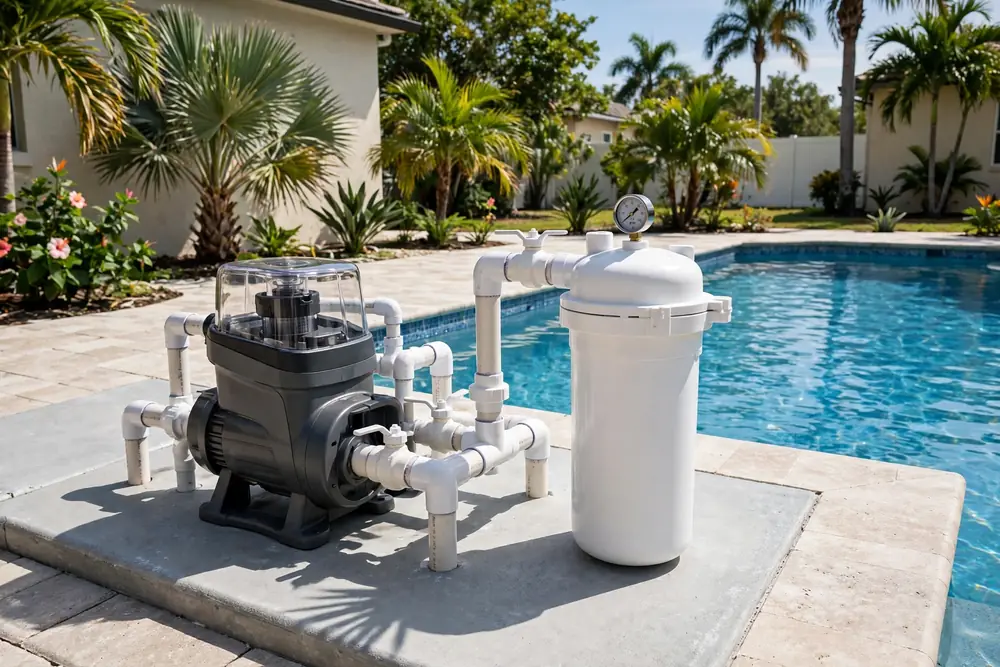
Has the route serviced this pool type, salt or traditional, screened or open, and any special equipment on the pad, automation, heater, cleaner? What would they watch first on this specific pool? The last question is the interview’s best: it invites expertise to show itself on the owner’s actual facts instead of a script.
Questions for Repair and Project Work Specifically
Project hiring adds three questions to the weekly list. What exactly has failed, in writing? Which parts, by brand and model, are included? What does the work not include, stated before it starts? The exclusions question sounds confrontational and is actually collaborative: most disputes are born in the gap between two honest assumptions.
A fourth question suits larger work: who performs it, the quoted company’s own crew or a subcontractor, and who warrants the result. Clear answers here predict the whole project’s paperwork quality.
- Name the fault in writing before pricing
- Parts by brand and model in the quote
- Exclusions stated up front
- Crew and warranty responsibility named
Questions and Answers
Is it rude to ask for insurance proof?
No. It is the most standard question in home services, and professionals carry the certificate expecting to show it.
Should answers be in writing?
The material ones, yes: scope, inclusions, terms and exit. An email summary after the call protects both sides equally.
What answer should end the conversation?
Pressure to sign before questions are answered. A route that cannot survive twelve questions will not survive a Florida summer either.
Can these questions be asked of a current provider?
Yes, and they should be, annually. The checklist is a renewal standard, not only a hiring tool.
Are twenty-five questions too many for a sales call?
The set is a menu, not an interrogation: five or six fit any single conversation, and the document question alone answers half the rest. Providers who sell professionally expect informed buyers.
What if answers conflict between companies?
Conflicts are information: they mark the scope differences the included-items checklist exists to expose. The cheaper interpretation usually explains the cheaper quote.
Sources
Last updated: October 23, 2026. Written by the Cape Coral Pool Care editorial team; sourcing and review steps are described on the Editorial Policy page.