Overview
Questions about pool cleaning rhythm in Florida come up often in Cape Coral and across Southwest Florida, where heat, rain, and long swim seasons shape pool care. This guide walks through signs, causes, and practical steps in plain language, with notes on when a provider visit makes sense for a specific pool.
A Weekly Baseline for Most Florida Pools
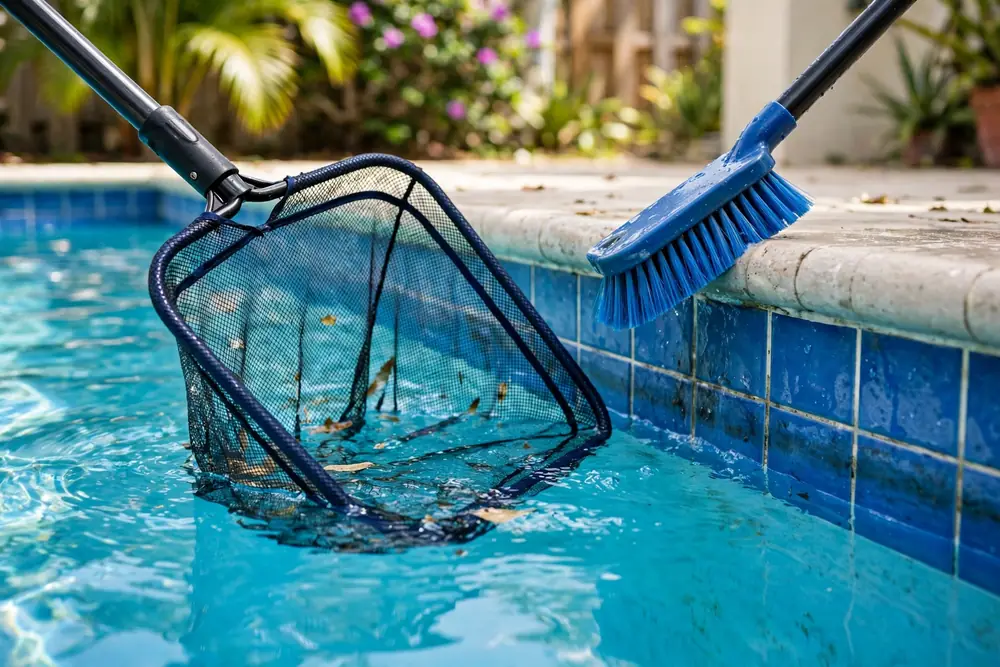
Weekly cleaning suits most Florida pools because heat, sun, and swim use run high across a long season. A weekly rhythm covers skimming, brushing, vacuuming as needed, basket care, and a water test before readings drift far.
Pools under heavy tree cover or with daily swimmers can need a midweek check during summer. A steady schedule also gives a pattern, and pattern changes stand out fast against a known baseline. Clear notes help every pool cleaning rhythm in Florida visit in Cape Coral. Water color, recent weather, equipment sounds, and the date of the last filter cleaning each point toward a likely cause, and a short list shared during a call lets a provider plan checks, parts, and timing before arriving at the pool.
- Skim and empty baskets
- Brush walls, steps, and corners
- Vacuum floor grit as needed
- Test sanitizer and pH
- Check filter pressure
How Summer Changes the Rhythm
Summer heat raises water temperature and sanitizer demand at the same time. Afternoon rain dilutes balance and drops debris into the water, often several days in a row.
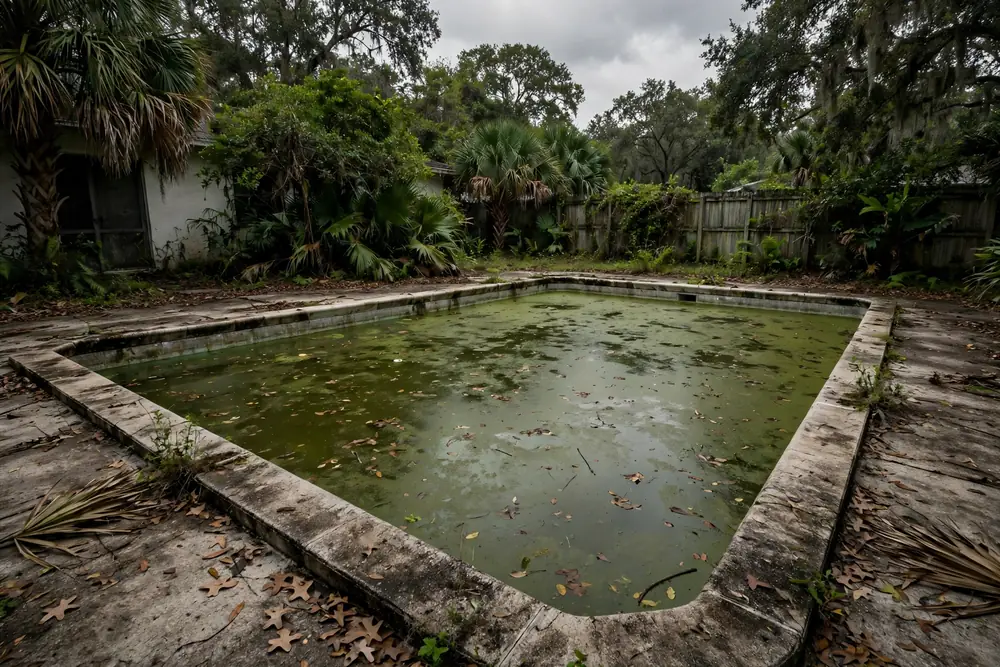
A pool that holds steady in January can slide toward cloudy within days in August. Extra checks after storm stretches keep a summer slide from turning into a green cleanup. Homeowners often ask whether a pool cleaning rhythm in Florida concern can wait a week. Slow changes in clarity, pressure, or sound usually grow rather than shrink in warm Florida water, and an early call keeps options wider, from a focused fix to a staged plan across a few visits.
Cape Coral heat raises water temperature for long stretches of the year, and warm water uses sanitizer faster than cool water. A pool that looks clear on Monday can turn dull by Friday after heavy swim use, a storm, or a missed brushing cycle along walls and steps.
Summer rain adds fresh water, leaf matter, and roof runoff to many Cape Coral pools, and each storm can shift balance readings for days. Checking water soon after rain, clearing baskets, and watching filter pressure helps a small change stay small instead of growing into a bigger visit.
Screened enclosures around many Southwest Florida pools cut leaf load but still collect fine dust, pollen, and insects along the waterline. Tile lines, steps, and corners collect buildup first, and regular attention to those spots keeps the rest of a cleaning or repair visit focused.
Canal-front homes in Cape Coral often face extra wind-blown debris and salt air near pool equipment pads. Metal fittings, pump housings, and heater parts age faster in salty air, so a provider visit often includes a quick look at the pad even when the call starts with water clarity.
Hurricane season planning matters for every pool in Southwest Florida, from water level choices before a storm to debris removal after wind passes. Notes about equipment age, prior repairs, and storm exposure help a provider plan a visit with the right parts and a realistic schedule.
Signs a Pool Needs More Frequent Care
Dull water returning before the next scheduled visit is an early sign. Algae freckles on steps and corners point to brushing gaps or low sanitizer between visits.
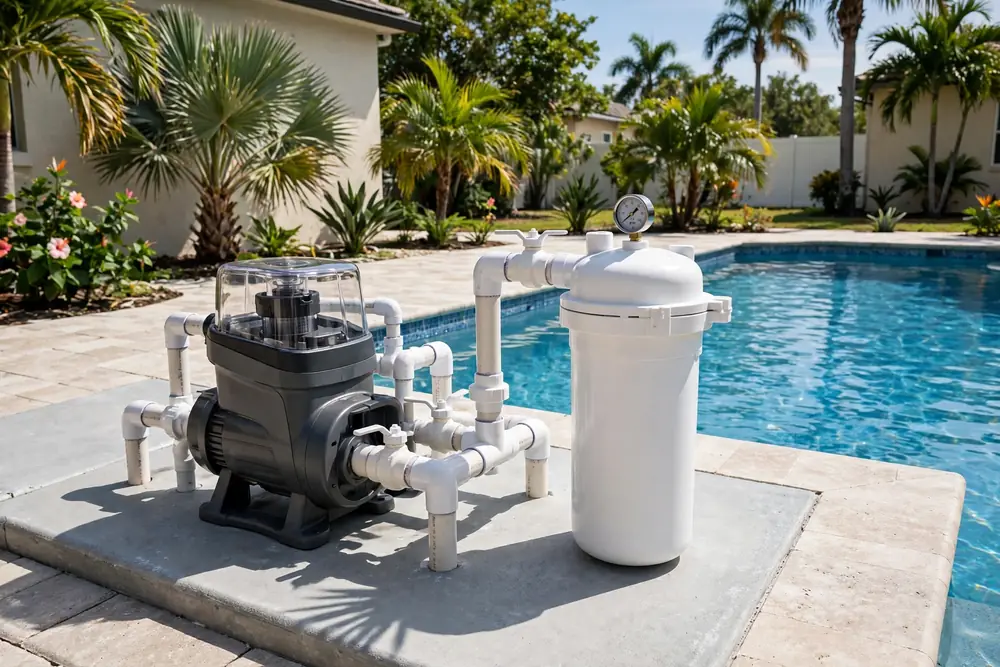
Baskets that overflow with debris shorten circulation and load the filter. A pressure gauge creeping up week after week adds a filter visit to the plan. A pool cleaning rhythm in Florida visit also protects the rest of the pool system. Circulation, filtration, and water balance lean on each other, and a fault in one corner quietly adds strain elsewhere, so a provider checks connected parts rather than a single symptom in isolation during a visit.
Screened Pools Versus Open Pools
Screened enclosures cut leaf load, yet fine dust, pollen, and insects still reach the water. Open pools collect more debris after wind, and canal lots collect more again.
Cleaning rhythm follows exposure, so two pools on one street can sit on different schedules. Notes about enclosure condition help a provider judge the right interval. Clear notes help every pool cleaning rhythm in Florida visit in Cape Coral. Water color, recent weather, equipment sounds, and the date of the last filter cleaning each point toward a likely cause, and a short list shared during a call lets a provider plan checks, parts, and timing before arriving at the pool.
Building a Simple Cleaning Log
A log with dates, readings, and filter pressure turns guesswork into a schedule. Add storm dates and heavy swim days, since both explain later dips in clarity.
A log also helps during a call, since a provider can hear a pattern in seconds. Phone notes work fine, and consistency matters more than format. Homeowners often ask whether a pool cleaning rhythm in Florida concern can wait a week. Slow changes in clarity, pressure, or sound usually grow rather than shrink in warm Florida water, and an early call keeps options wider, from a focused fix to a staged plan across a few visits.
Next Steps
Related service pages: pool cleaning cape coral and pool filter cleaning cape coral. A caller can ask about either visit type during one call, and cost depends on pool size, equipment and the issue, and a provider will give a quote on the call.
[plc_call_button]